


Maximizing Clean Energy Efficiency in Air Conditioning Systems
- Reggie Hebert

- 4 hours ago
- 3 min read
Air conditioning is essential for comfort in many homes, especially during hot months. Yet, traditional AC systems often consume a lot of energy and contribute to higher utility bills and environmental impact. With growing awareness of climate change and rising energy costs, homeowners are looking for ways to make their air conditioning more energy efficient while using clean energy sources. This post explores practical steps to improve the clean energy efficiency of your AC system, helping you save money and reduce your carbon footprint.
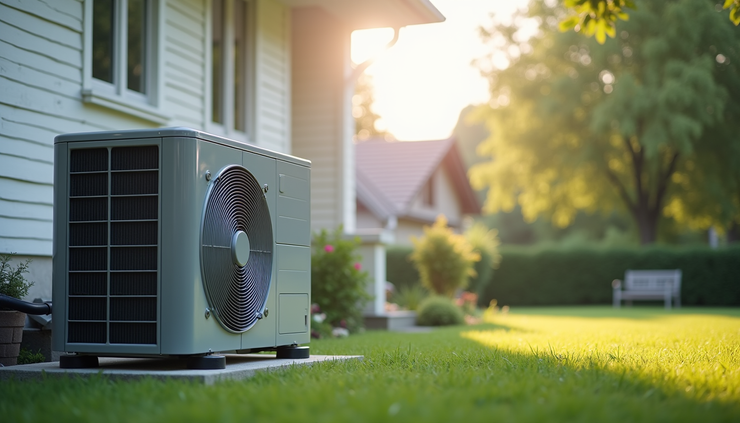
Understanding Energy Efficiency in Air Conditioning
Energy efficiency in air conditioning means using less electricity to cool your home without sacrificing comfort. Efficient AC systems reduce energy waste and lower greenhouse gas emissions. This is especially important when the electricity comes from fossil fuels. By improving efficiency and integrating clean energy, homeowners can enjoy cool indoor temperatures with less environmental impact.
Key factors that affect AC efficiency include:
The age and condition of the unit
Proper sizing for your home
Regular maintenance and timely AC repair
Use of energy-efficient technologies and refrigerants
Integration with renewable energy sources like solar panels
Choosing Energy-Efficient Air Conditioning Systems
When it’s time to replace or install an AC system, selecting an energy-efficient model is crucial. Look for units with a high Seasonal Energy Efficiency Ratio (SEER) rating. The higher the SEER, the more cooling you get per unit of electricity.
Some options to consider:
Inverter AC units: These adjust compressor speed to match cooling needs, reducing energy use.
Heat pumps: These provide both heating and cooling with high efficiency.
Variable refrigerant flow (VRF) systems: These systems deliver precise cooling to different zones, avoiding waste.
Energy Star-certified units meet strict efficiency guidelines and often qualify for rebates or incentives, making them a smart choice for homeowners.
Maintaining Your AC System for Peak Efficiency
Even the most efficient AC unit loses performance without proper care. Regular maintenance keeps your system running smoothly and prevents costly breakdowns.
Tips for maintenance include:
Clean or replace air filters monthly during heavy use seasons to improve airflow.
Clear debris around outdoor units to ensure proper ventilation.
Schedule professional AC repair and tune-ups annually to check refrigerant levels, electrical connections, and mechanical parts.
Seal ductwork leaks to prevent cooled air from escaping.
Use programmable thermostats to reduce cooling when no one is home.
By investing in maintenance, you extend the life of your AC and keep energy use low.
Integrating Clean Energy with Your Air Conditioning
Using clean energy sources to power your AC system is one of the best ways to reduce environmental impact. Solar power is the most accessible option for many homeowners.
Ways to combine solar energy with air conditioning:
Install rooftop solar panels to generate electricity that runs your AC.
Use solar-powered AC units designed to operate directly on solar energy.
Pair solar with battery storage to cool your home even when the sun isn’t shining.
In some regions, utilities offer net metering programs that credit you for excess solar energy sent back to the grid, further lowering your electricity costs.
Practical Tips to Reduce AC Energy Use
Beyond equipment and energy sources, simple habits can improve efficiency:
Close curtains or blinds during the hottest part of the day to reduce heat gain.
Use ceiling fans to circulate air and allow you to raise the thermostat a few degrees.
Avoid heat-generating activities indoors during peak heat hours.
Set your thermostat to 78°F (26°C) when you are home and higher when away.
Consider shading outdoor AC units with plants or awnings to improve performance.
These small changes add up to noticeable savings.
When to Call for AC Repair
Ignoring signs of AC problems can lead to higher energy use and discomfort. If you notice uneven cooling, strange noises, or rising energy bills, it’s time to call a professional for AC repair. Prompt repairs restore efficiency and prevent more expensive damage.
Comments